
I’ve felt very flat recently. I’ve found it difficult to focus. Usually I can distract myself by getting lost in a book, but this week it’s been difficult to settle into reading. I’ve been unable to sketch. Cooking for others has helped but is only a temporary fix.
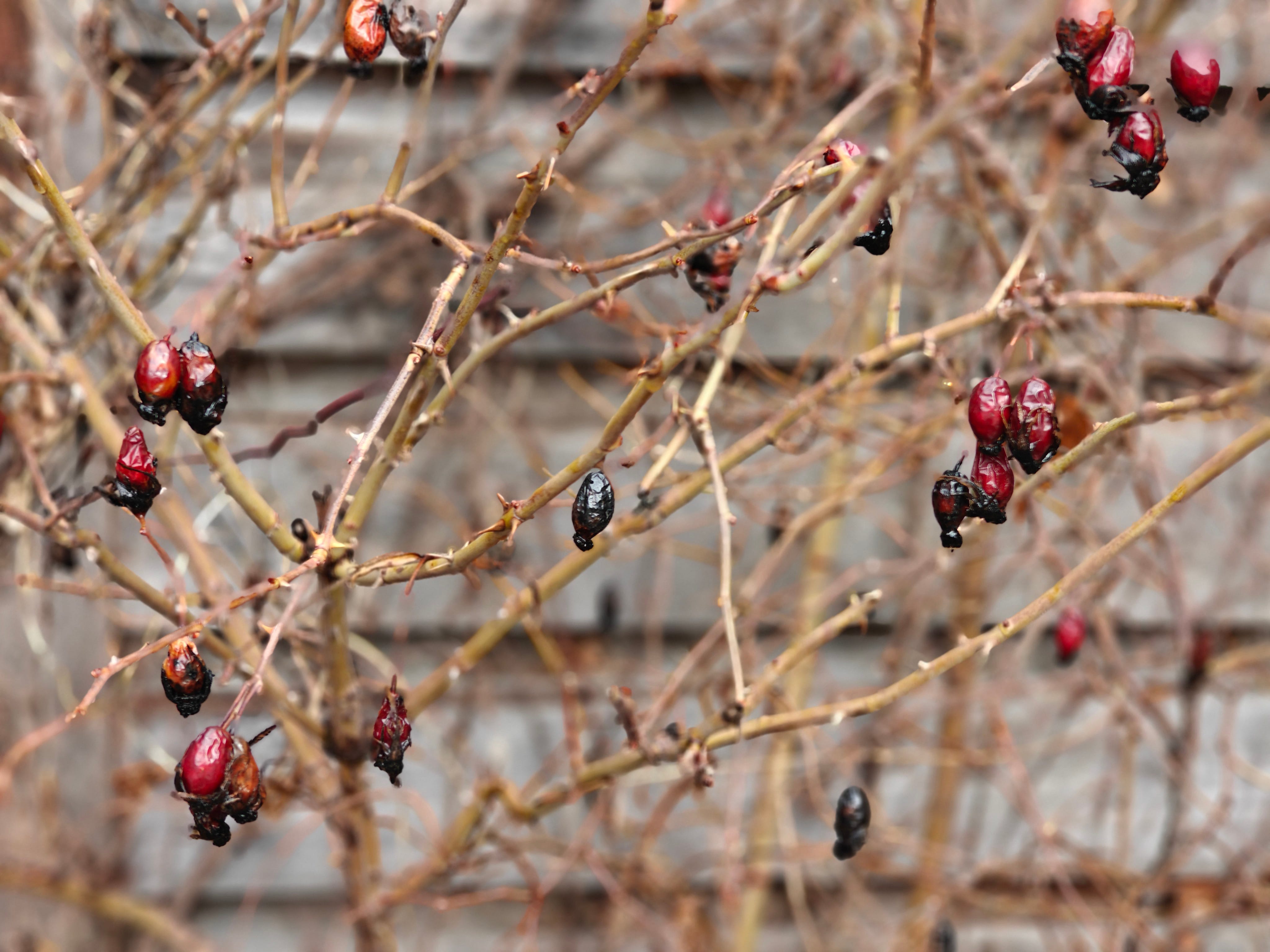
frost-burned neglected rosehips
Of course I’m continuously waylaid by mourning Tashi’s absence. That grief is now a familiar, a presence. So is the horror of Gaza. But these days there’s even more.
How can any of us feel OK or focused when the illegal US-Israeli war against Iran is taking all our oxygen. It’s obscene, crazed. And murderous. There’s no principled motivation, just opportunism and propagada everywhere. They’re bombing Isfahan. What a nightmare.
The world seems to be heading to hell. And along the way hundreds and thousands more in Iran as well as in Palestine and Ukraine and many other places will suffer violence, death, displacement, starvation, and impoverishment. How can anyone cheer this on? My friend Nancy Harmon Jenkins, much wiser than I, titles her most recent Substack post “War is Not the Answer!” She’s so right.
There are ways to actively protest what’s going on. But the first essential I think is to resist the hysteria and the sense of dislocation created in us by the 24-7 news cycle that brings us wars and propaganda. My first reaction to it all is to rant and rage.
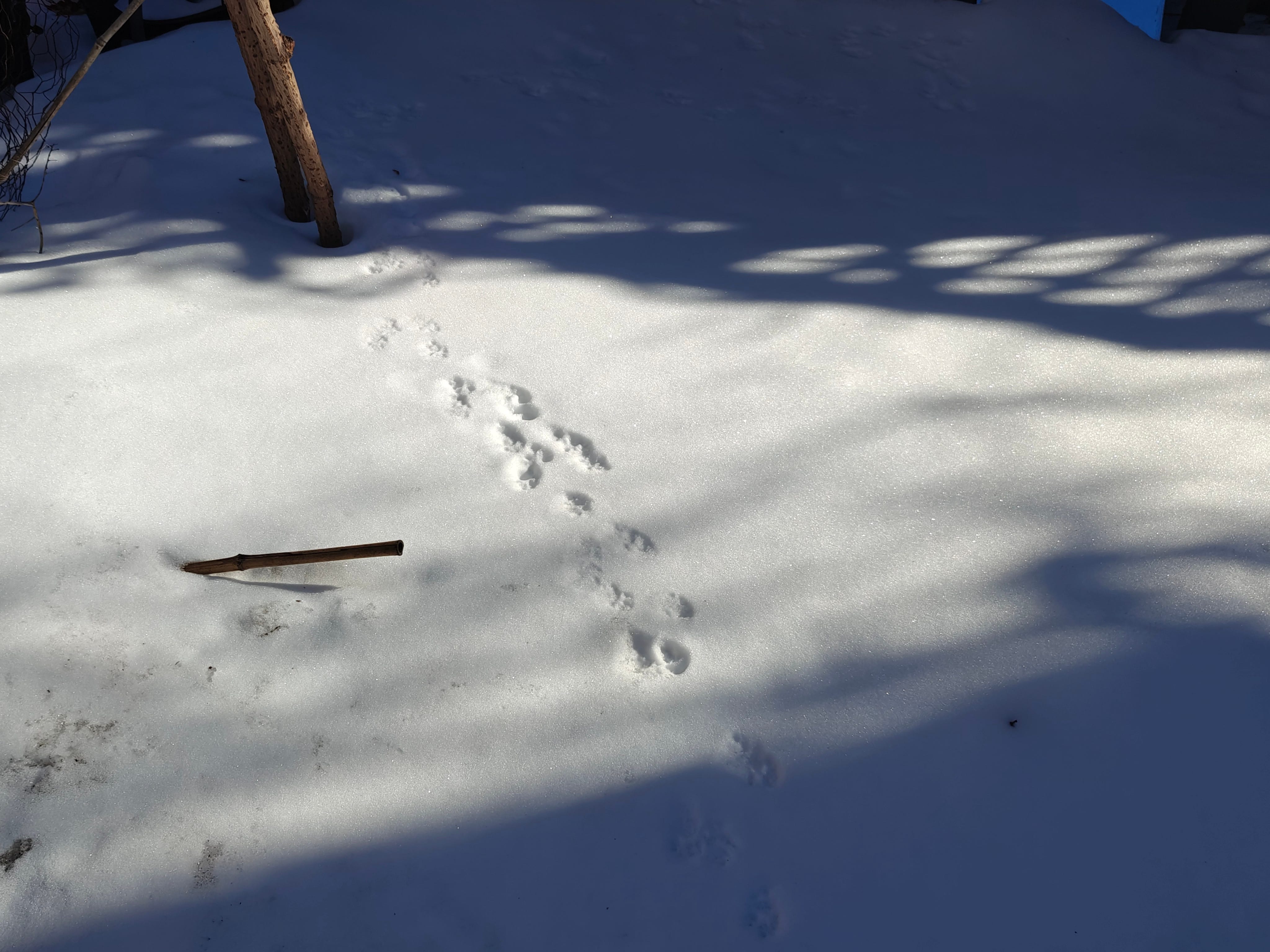
But if we lose ourselves in rage or despair, then the forces of disorder, the bad guys, have won.
Surely a better approach, though it’s a challenge, is to stay in touch with our humanity. We can try to stay grounded by connecting with other people, both friends and strangers, and by being attentive to the natural world. Another access is through human creativity: art of all kinds including painting, drawing, music, poetry, film, etc.

street art just off Spadina, south of Dundas, in Toronto
The full moon this week with its trail of bright planets, was one reminder of larger wonders. There was a lunar eclipse just before dawn, when the moon was low on the western horizon. I felt driven to get up early to try to see it. I wasn’t sure I could find a clear line of sight to it. Bundled warmly I walked to Kings College Circle at the university, five minutes away. As I walking across the snowy expanse of the circle I was thrilled to see a small group of five or six other optimists, black shapes on the white snow, standing still and looking west.
And yes! The eclipse was visible, though barely. It was a veiled pale persimmon colour, rather than brilliant (because we were looking at it through the thick atmosphere near the horizon, rather than higher up in the sky). But it was a thrill, still, to see it. I felt light at heart walking home, as the eastern sky slowly brightened into dawn.
Another lift this week came from South African artist Willian Kentridge. His work is always a tonic and a reminder of a larger view. He uses many tools, including video, charcoal drawing, metaphor, a strong sense of history and justice, and music, to explore big ideas. His series of nine half-hour films, A Portrait of the Artist as Coffeepot, which premiered at the Venice Biennale in 2024, has been on show here in Toronto; I finally got there this week. (It has now closed, but is available on MUBI.) I’d seen the first four of the films at the Biennale. On Friday I watched the last five. then stayed around to watch first two, to see what I’d missed first time round. What a pleasure.
At one of the breaks between segments, an acquaintance who was there with a young friend asked me if I had any thoughts about how to keep a clear head in the noise and distraction, the bombardment of the current news cycle. It was that question which led me to the train of thought that I’m trying to follow in this post.
The ideas that Kentridge explores in the films through drawings, words, song, question and answer discussions with himself, torn paper sculptures, and more are still reverberating in my mind’s eye. They’re helping to keep me steady. Art can do that, as can cooking for friends, meditating on grief, eating with friends, conversation with strangers on a streetcar or while waiting at a store or on a subway platform. All these can remind us of human connection.


So can looking for signs of spring in a slowly melting landscape. Yesterday there was a sudden warming, from freezing to plus 12 C/ 50 F. On my way to Wychwood Market in the early morning there was a soft damp fog that made the world beautiful and mysterious. It was transporting. So is the sight of sturdy green hellebore leaves in the back garden, flattened by the weight of the snow that has burdened them for months, and now ready to grow towards the sun. In other bare patches there are small sharp-edged iris leaves and other small green tips growing upward. A thick layer of crusted snow still covers the area where the rhubarb should appear, and the crocus.
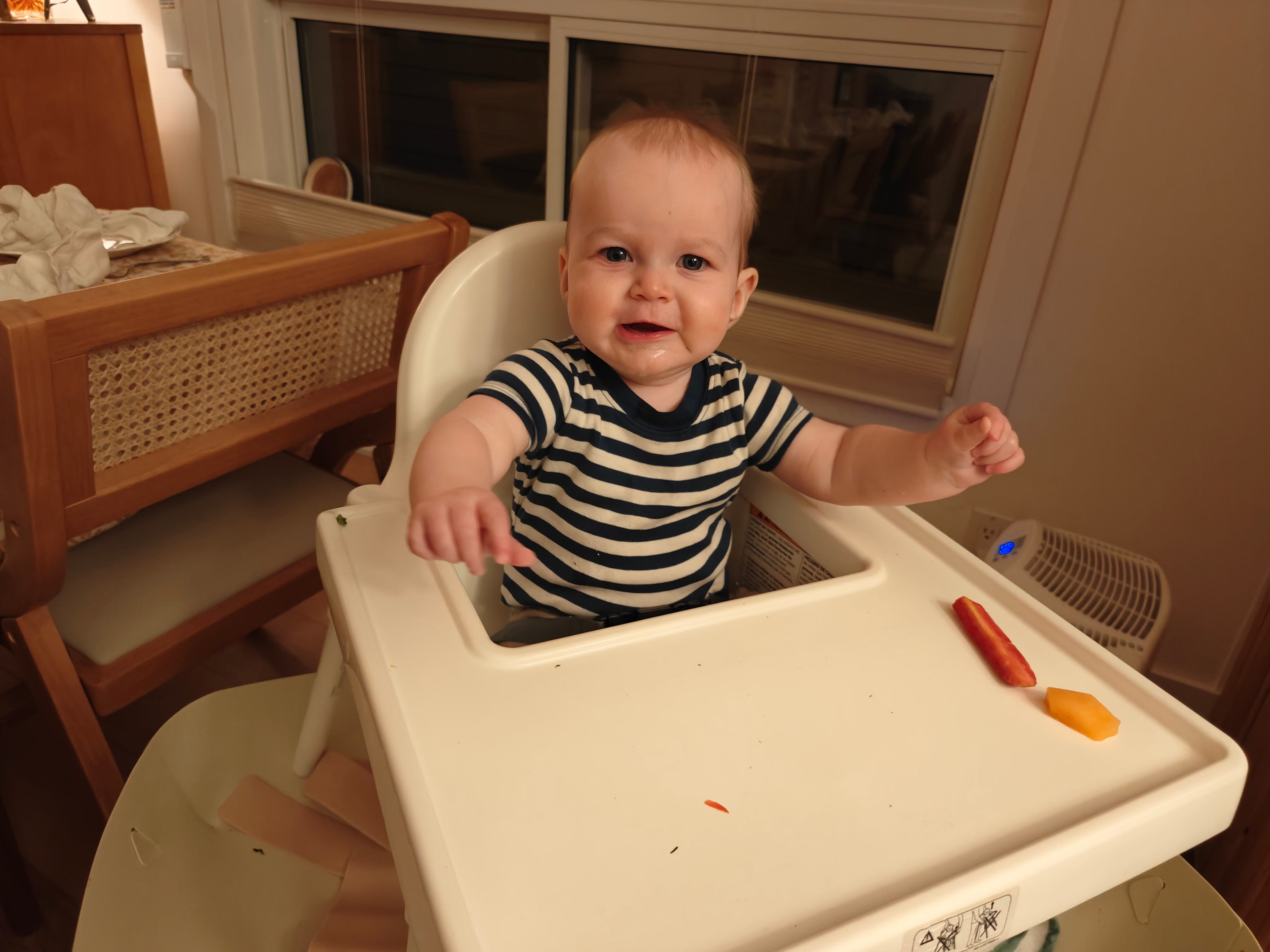
and babies and children can help ground us, if we’re lucky enough to have time with them
KTCHEN EXPLORATIONS – wok cooking for spring, and a try at bread pudding
I’ve been turning to the wok more often these days. The cold outside makes charcoal grilling unappealing, but the sense of coming spring means I am less inclined to rely on the oven to cook both meat and vegetables, as I have been doing almost all winter. So instead of putting a sheet tray of root vegetables and/or cabbage wedges along with a little marinated chicken or pork, into the oven, I find myself chopping ingredients for stir-fries.
Last weekend I was expecting two extra people for supper and I had about 1 ½ pounds of frozen pork shoulder and some delicata squash to work with. I put on a pot of brown jasmine rice to get things started. I cut the squash in half, scooped out the seeds and pith, then sliced it into thin half-moons (thank heavens for sharp knives). I sliced the pork and tossed the slices in a bowl with some shio koji paste and several splashes of soy sauce. There was onion, garlic, and ginger to chop too. Amazingly we have local spinach available, these days from Nith Farms. I washed and coarsely chopped both that and some bok choy leaves that were hanging around in the crisper.
The dish came together easily, perfuming the air: I heated the wok over a high flame, added olive oil, then tossed in the onion and ginger, followed soon after by the garlic. In went the pork, and after several tosses to expose it to the heat of the pan, I added the squash slices. They stir-fried together with the meat for several minutes before I added about a cup of hot water. As it bubbled to a boil I popped on a large lid for a minute or so until the squash had softened in the steamy heat, then added the bok choy and spinach and stirred it in. Another minute or two later the dish was done and turned out into a serving bowl.
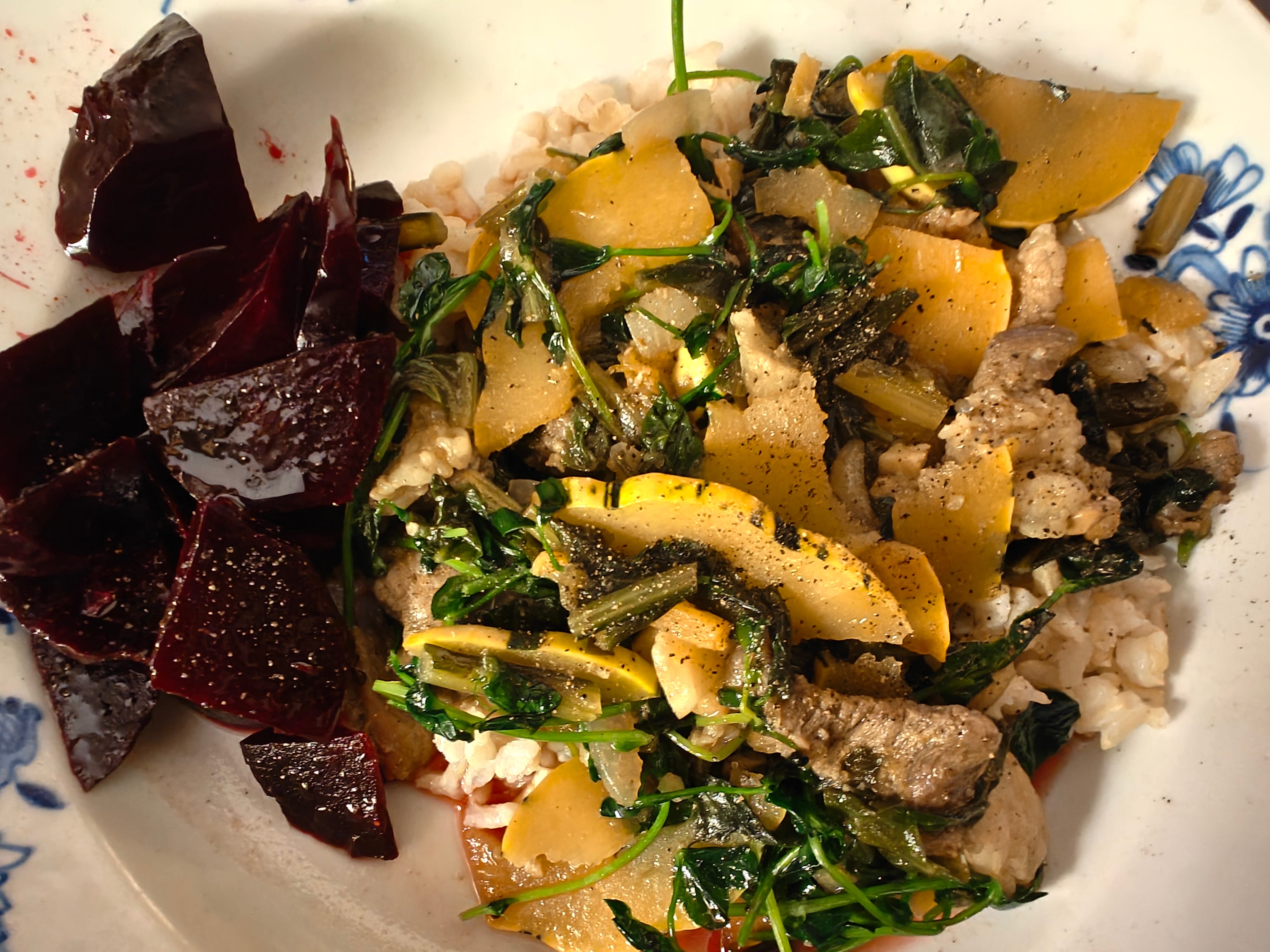
the pork and delicata stir-fry over rice, with a side of beets (from a batch I’d oven-roasted the previous week), dressed with a vinaigrette
At the last minute one of my expected guests couldn’t stay for dinner. That meant we had the stir-fried pork and greens not only for supper that first night, but also as reheated leftovers a couple of nights later. I love good leftovers.
I took the same approach last Thursday when a friend from out of town was coming for supper and to stay overnight. My meat this time was two small duck breasts, totalling about 1 pound. Again I rubbed the meat with shio koji and some soy sauce. But this time I turned to a jar of black bean sauce that was in my small ferment fridge (There’s a recipe for it in my Miracle of Salt book.) It was a special batch that I’d made without chiles, so that I could use it when cooking for a friend who is allergic to capsaicin (the heat-giver in chiles). I mixed about 2 tablespoons of the black bean sauce with a little oil and with one minced bird chile. The only other flavourings I used were chopped shallot and some garlic (on the theory that more is always better).
The greens I had were fresh locally grown pea sprouts, and more spinach. I coarsely chopped those and set them near the stove top.
Once the rice was done (brown basmati cooked with a little chopped onion and some salt), I added a few small pats of butter to it.
The big wok went onto high heat. Olive oil went in first (I could/should have used goose fat but forgot). I added my aromatics, then soon after, the sliced duck. I turned it a couple of times then added the black bean sauce mixture, stir-fried things together a moment, then added the greens and stir-fried it all together vigorously, with the addition of a little water along the way. Duck gets tough if it’s cooked a long time (like beef), so I needed to get everything done quickly. It all came together perfectly, with the addition of a small hit of fish sauce…
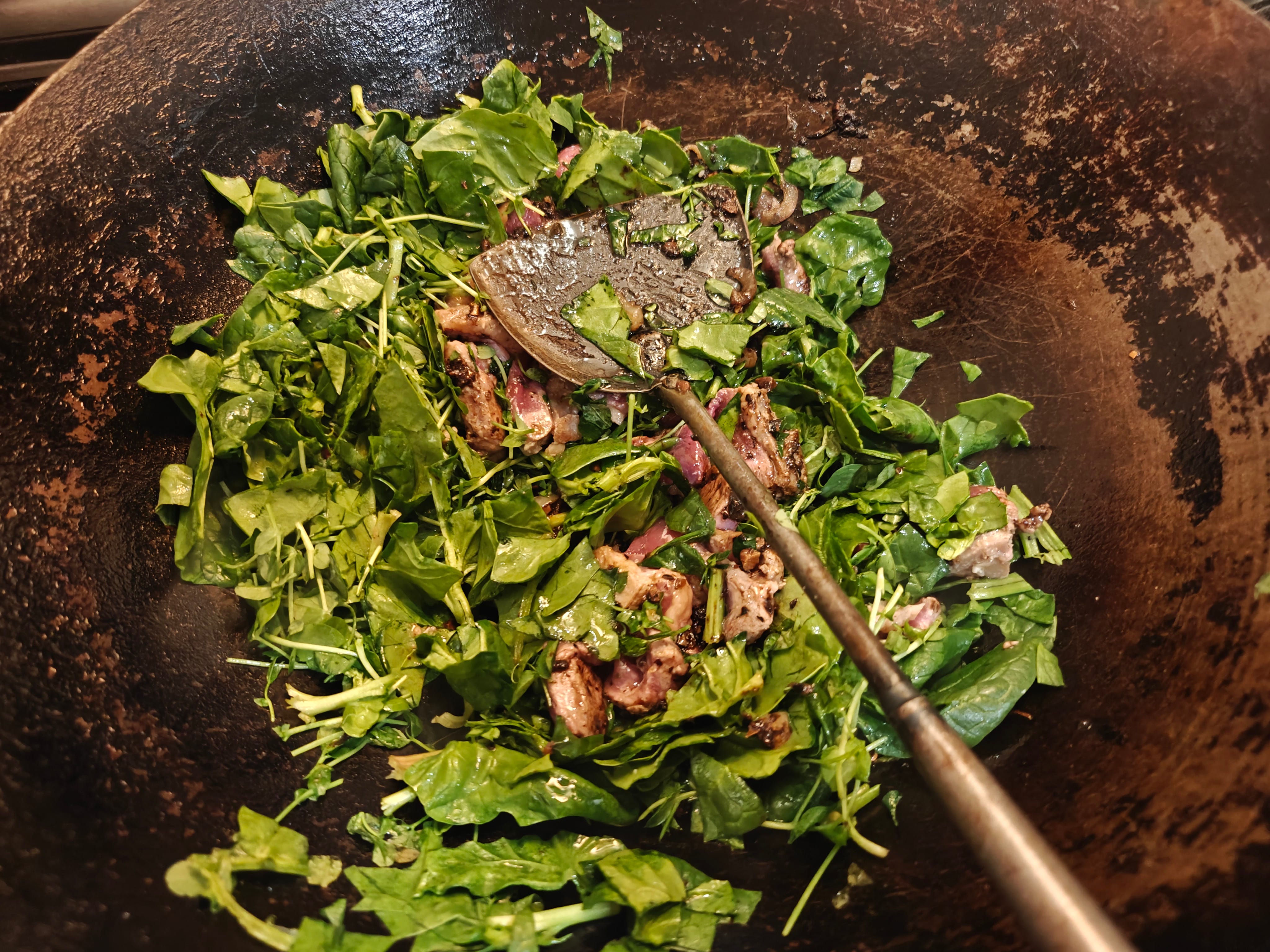
the greens have just been added; I paused to take this quick shot
and a first try at bread pudding
The other exploration this week was bread pudding. We don’t seem to be eating much bread these days. On Thursday I realised I had a half loaf of bread that was two weeks old, a delicious rye bread with quince from Dawnthebaker. I sliced it, chopped it (trimming off very tough corners), and put the cubes of bread to soak in milk.

Dawn had told me that she soaks her bread pudding bits (remnants of various kinds of leftover baking) for 24 hours. I didn’t have that much time (I wanted to have the bread pudding available for suppertime), so after they’d soaked a couple of hours I put the whole mass (including the soaking liquid) into the food processor. The grinding was bumpy at first, but then I went on processing it too long I think. Oh well.
Next time I’ll grind it less, so it still has some lumps and texture, rather than being smooth, or perhaps if I chop it into smaller chunks, after the long soak it won’t need any processing. I poured the slurry back into a bowl, whisked four eggs and added them, then stirred in spices, sugar, maple syrup, and a bit of salt (amounts and proportions are below). I poured the thick batter into a lightly oiled bread pan, placed it in a water bath, and put it in a 325 F oven.
Ninety minutes later it was done, in a soft bread-pudding kind of way. It took more than an hour to cool to firm. I was pleased with it, as a first try. The flavour was excellent, the texture moist. But next time, if I have leftover bread, I’ll do a long 24-hour soak.
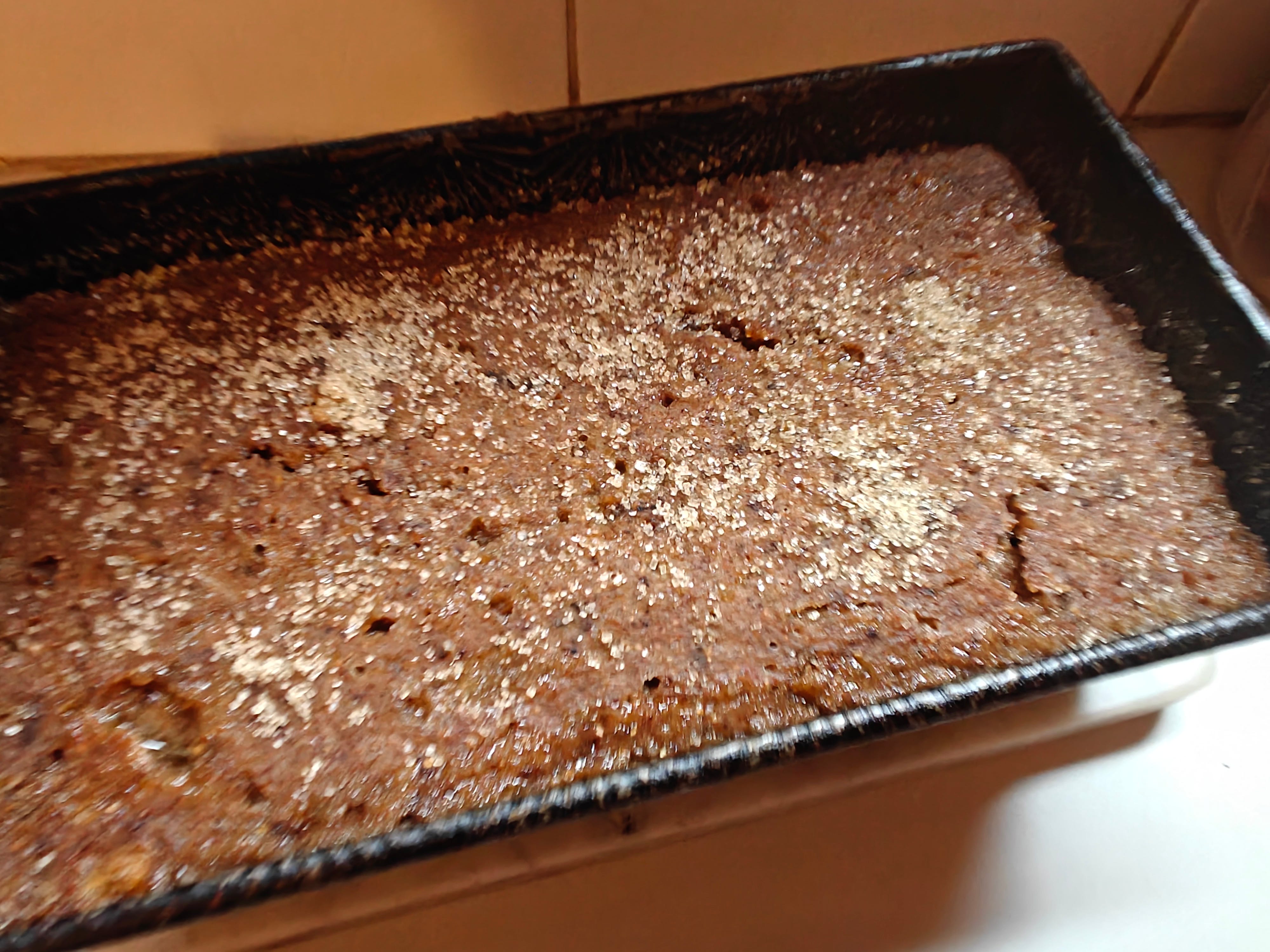
bread pudding recipe for guidance.
It bakes in one large loaf pan. Of course you can make a smaller batch and use a smaller loaf pan. Just reduce amounts in rough proportion. And play with warming spices that you like best.
About 4 cups/1 litre container of chopped leftover whole grain bread
Soak bread cubes in 3 cups milk and 1 cup water (ideally for close to 24 hours), then briefly process to break pieces down a little more so you have a lumpy slurry.
Preheat the oven to 325 F/165 C
Then add and stir in:
4 large eggs whisked well
About ½ cup maple syrup
1 tablespoon powdered ginger
1 teaspoon cardamom powder
½ teaspoon powdered cloves
½ teaspoon salt
1/2 cup or so quince jam or marmalade
About ½ cup turbinado or similar sugar
Pour the batter into a lightly oiled large bread tin
Place it into a water bath (1 to 2 inches/3 to 5 cm hot water in a wide ovenproof pot); shallow enough that it doesn’t risk slopping into the bread pan
Place into the preheated oven for 90 minutes or until a skewer inserted deep into the cake comes out clean
Sprinkle on about ¼ cup turbinado sugar. Let stand to cool for an hour or more before slicing. Serve with ic cream or whipped cream or on its own with tea or coffee.
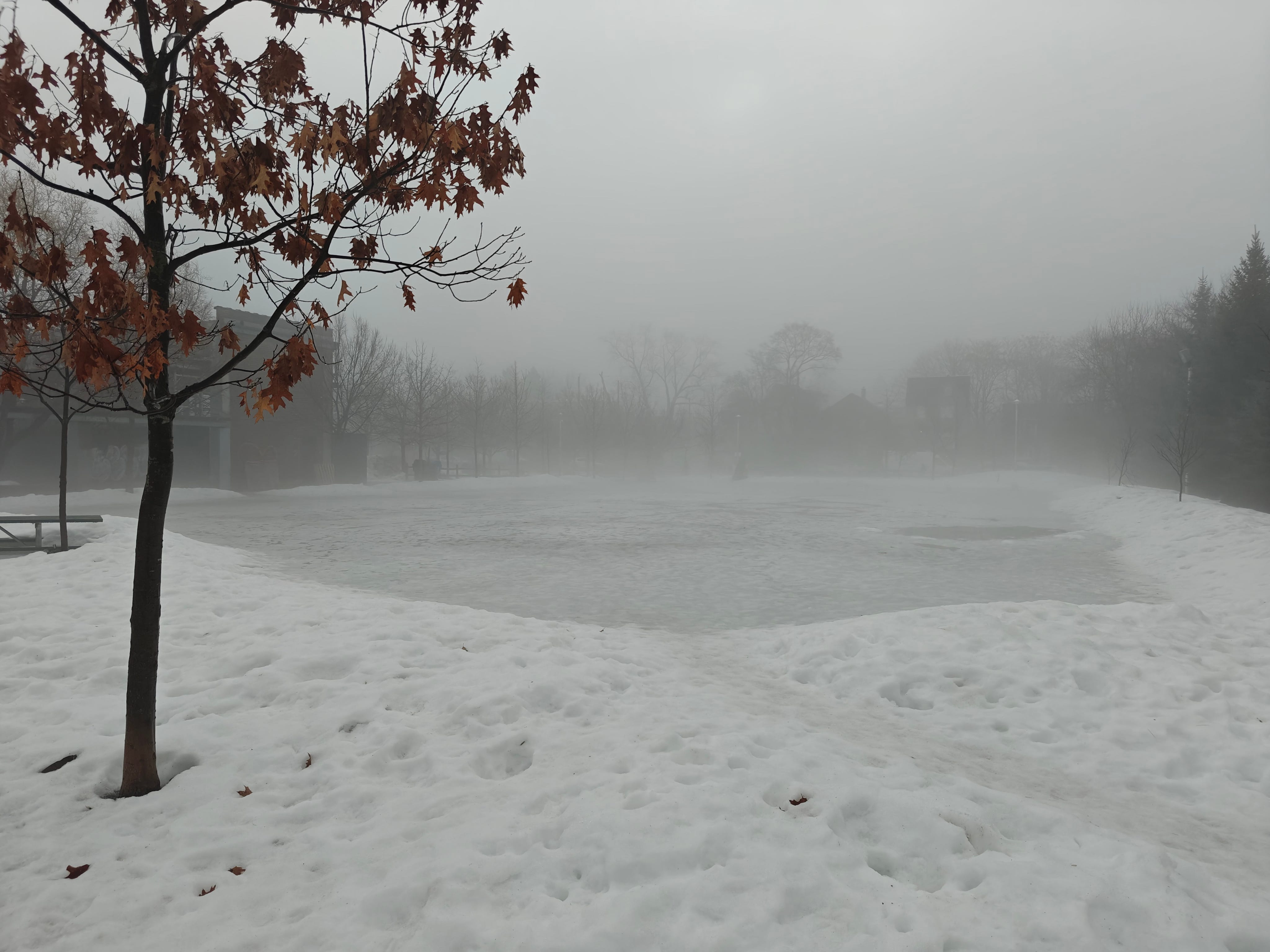
mist and melt: the Wychwood neighbourhood ice rink melting last Saturday morning
Dear Naomi,
Your reflection on staying steady in this cruel time resonated with me.
The sense of being flattened by the news cycle is something many of us recognize right now, and some of us are experiencing very directly, with little power to influence those who ultimately make the decisions.
Your reflections on art, cooking, and small acts of human connection resonate deeply. Shared food and shared tables really do remind us of the humanity we are trying to hold onto.
Reading this from a Jewish perspective carries another layer of unease. Even in Toronto, which many of us have long thought of as a safe and pluralistic city, synagogues have recently been shot at - Bayt on Clarke and Temple Emmanuel.
Moments like that remind us that the atmosphere of hatred we discuss globally can also appear very close to home.
So I sometimes wonder about the balance between tolerance and the need to confront intolerance. Food, art, and friendship are powerful responses to violence. They remind us of the world we want to live in.
But they also depend on societies being willing to protect the possibility of living together in the first place.
As always, I’m grateful for your writing. And I agree with you about one thing completely: we need to hold onto the human connections that keep us from losing ourselves to despair - or from slipping into the habit of justifying the cycle of violence.
I often wish there were still people across this divide with whom we could speak honestly.
Your bread pudding reminds me of what my mother used to make when I was a child. It always amazed me how a dish that initially looks like such a goop tunes out so beautifully.
I seem to be also getting down on the thoughts of the world around us. The senselessness of dumbfounding and, even worse, ther ois no strategy or exit point foreseeable.
Distractions work, but to a point and the there is the reality that I lay awake thinking about in the dark.
We will miss you in Oaxaca.