
I’m not a poet, nor a nature writer, but I have come to realise that the being-ness of things animates parts of my world and makes me attentive to certain kinds of small details. I find myself treating items of food, plants in my garden, even familiar garments in my cupboard, as personalities with a separate not-quite-awareness, but with certainly a kind of animate existence.
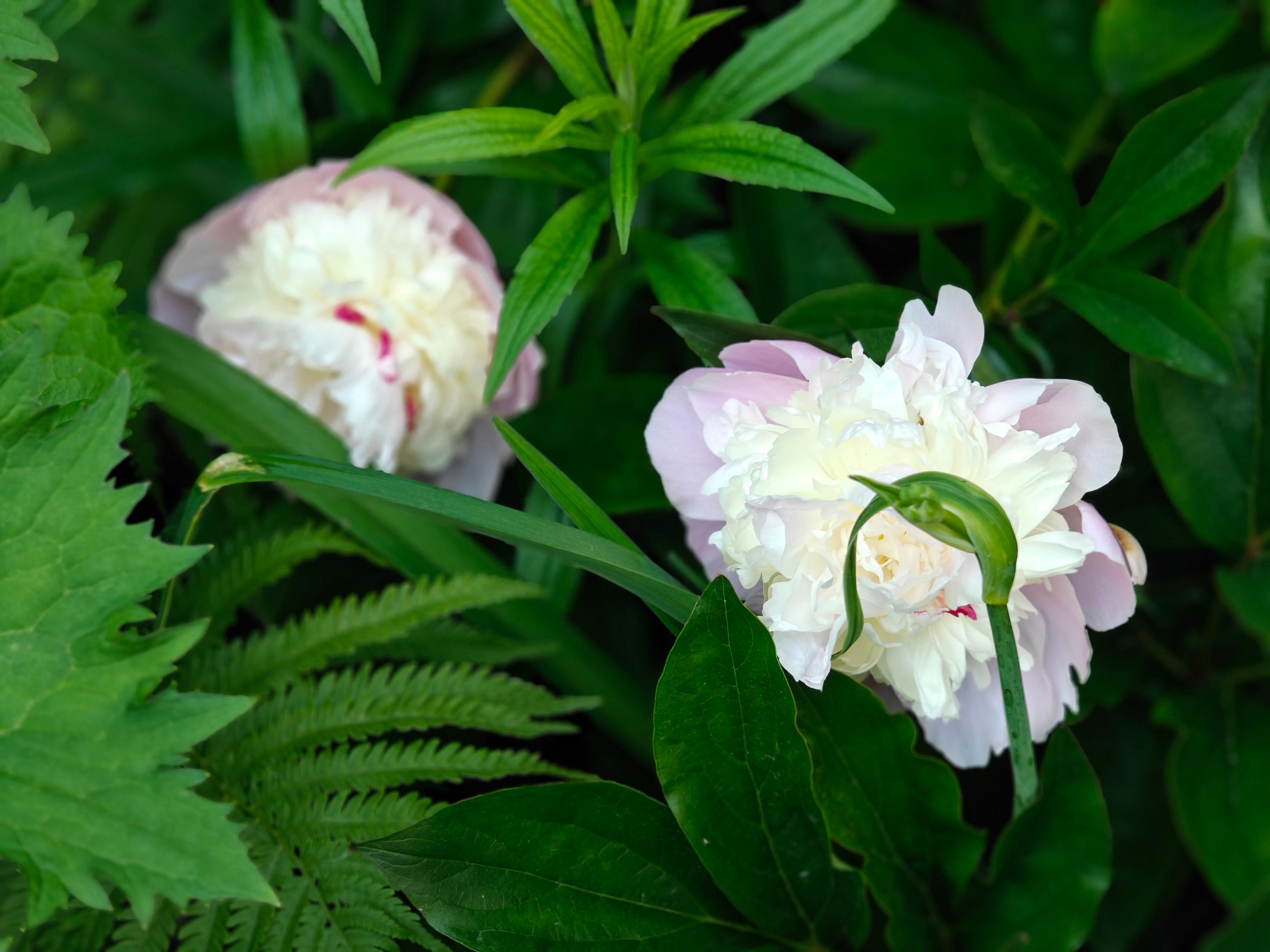
peonies newly out in my garden
I will apologise (in my mind usually, rarely out loud) to a green bean that gets awkwardly trimmed, to a sock that gets dropped or a scarf that gets caught as I close a drawer, to a plant in the garden if I brush past it roughly. It’s as if I sometimes feel an obligation to take care of these life-ingredients.
Is this something you do?
I am so used to these thoughts, and this animated world of daily objects that I’ve generally taken it for granted. But in the last while I’ve become more conscious of the sense of connection, the communication, however one-way, that I have with elements in my world.
I’m not sure where this comes from. I think that since I was a child I’ve felt the personality of certain items of clothing and pieces of furniture in my world. Perhaps it has roots in the hand-sewn cloth doll whom I named Mrs Pig, that my godmother Lida made and sent to me from England when I was seven or eight. Mrs Pig was very real to me and so were her beautiful clothes. She had a pig’s face, and long arms and legs and wore a white blouse of fine muslin, white muslin bloomers trimmed with lace, and over them a long blue and white gingham skirt. I no longer have Mrs Pig, but my hands still remember the pleasing texture of her stuffed cotton legs and of the fabrics her clothes were made of. Perhaps I was also feeling the warmth of the person who made her.
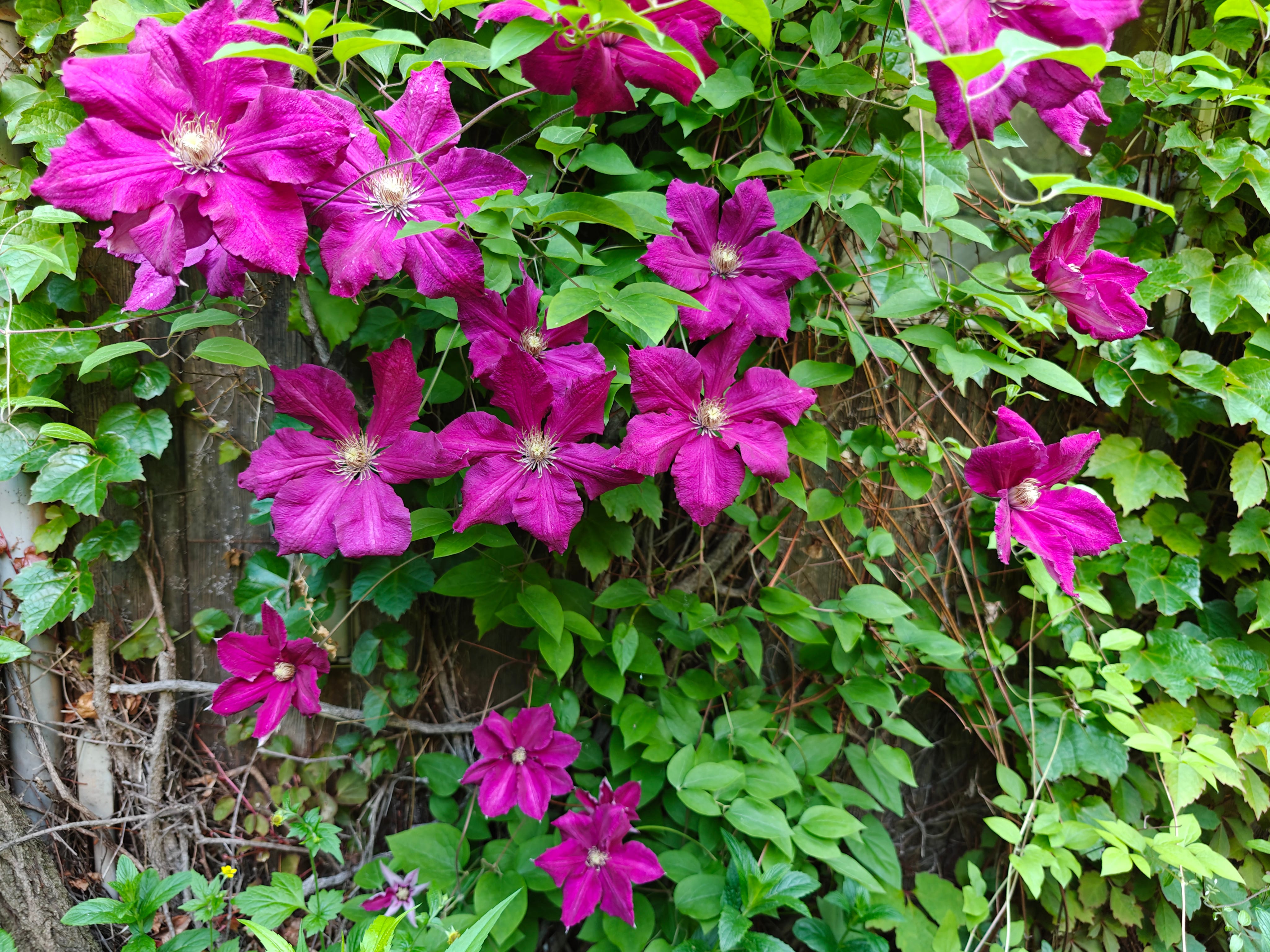
my clematis has never before had such vigorous blooms; thrilling
And that makes me wonder about the foods that also turn into beings of some kind when I chop them or grind them or cook them. Are they touched with the personhood of the individual who grew or harvested them? Or do they become animate in some way once they’re within reach and part of my immediate world?
Perhaps all of this is a wonderful remnant from early childhood. A young child sees the world as made of many sensate elements. That leaf on the ground, a waterdrop, a stuffed animal: each is seen and felt as a being of some kind.
As we grow up, adult attitudes and expectations, the rationalist-materialist focus at school and elsewhere, push us to suppress certain kinds of awareness. A child’s holistic perception of the world leads to patterns of thinking that are at odds with the linear thinking required for getting homework done, or for being punctual. Holistic awareness can also raise uncomfortable questions about the purpose of the commonly accepted goals of modern life: success, productivity, etc.
I’ve not talked or written about this animate world that is a background to my lived reality, until now.
Does it affect my cooking? It’s certainly a part of my best times in the kitchen. My sense that there’s a connection between me and the raw ingredients, and between me and my kitchen tools, from cast-iron skillets to wooden spoons, spatulas, and knives, is strongest when I’m cooking the evening meal,. We’re a team, working together.
Food preparation and cooking are all about feeling my way. When I’m working in the kitchen, other people can seem like obstacles to my being able to feel my way to decisions about what to do next. As I’m cooking, I am more attentive to ingredients, especially plant ingredients, than I am to the humans hanging around the kitchen who will be eating the finished dishes. The ingredients and tools belong there, are in my world; the humans are in their own space. I can and do dip into their conversation for a moment, but I’m better if I stay tuned to my world while I’m cooking…
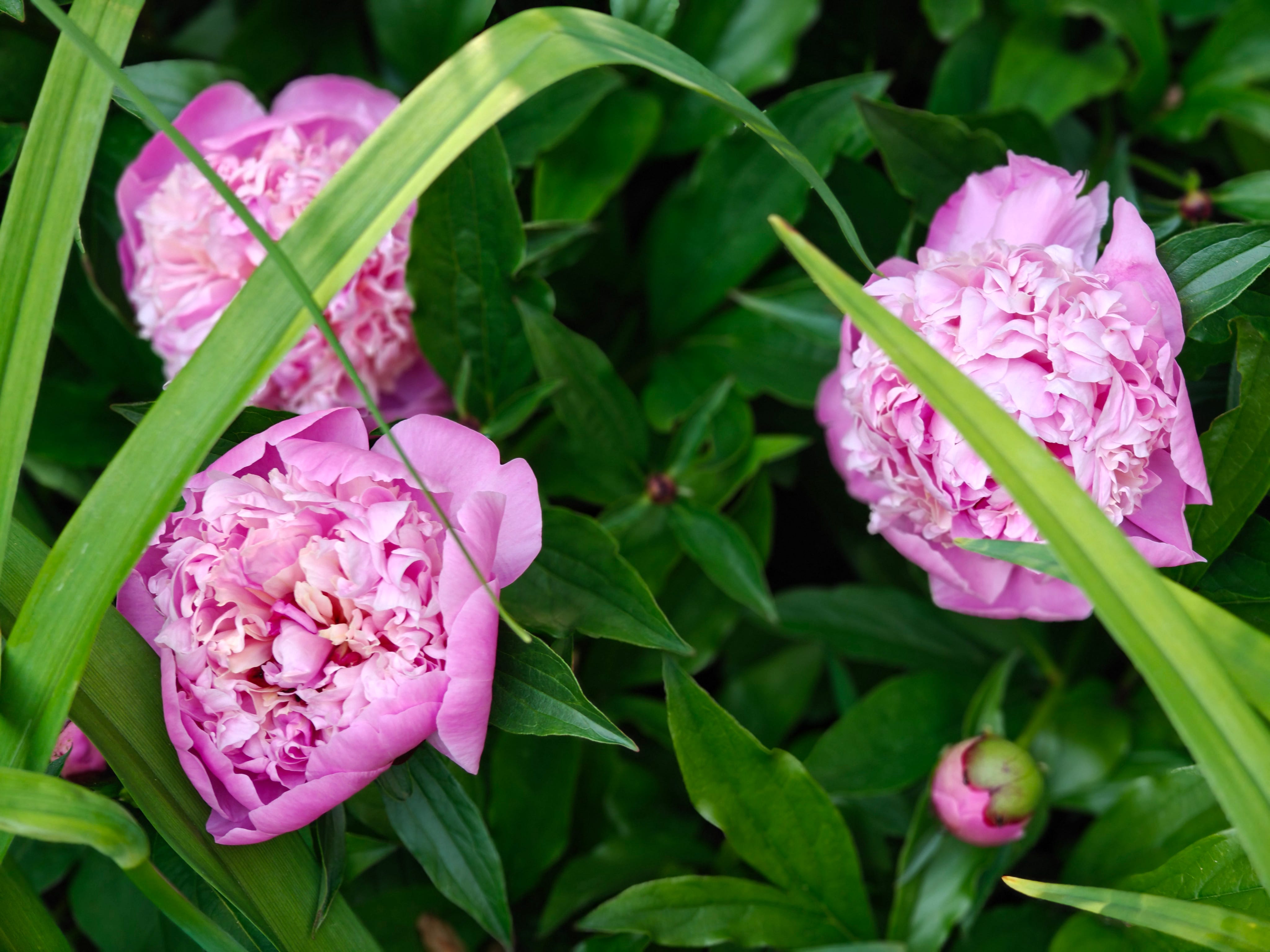
this week: peony loveliness and the full moon too
a book recommendation
For an extraordinary read about the natural world, far from thoughts of kitchens and cooking, do seek out Nan Shepherd’s remarkable book The Living Mountain. First written in the forties, not published until thirty odd years later, and only celebrated many years after that, it’s a multi-sensory experience. Somehow with words alone, she transmits in a spare muscled way the lived experience of being present in and attentive to the natural world. The world she walked and noticed and felt and thought about lay in the Cairngorm mountains in Scotland.
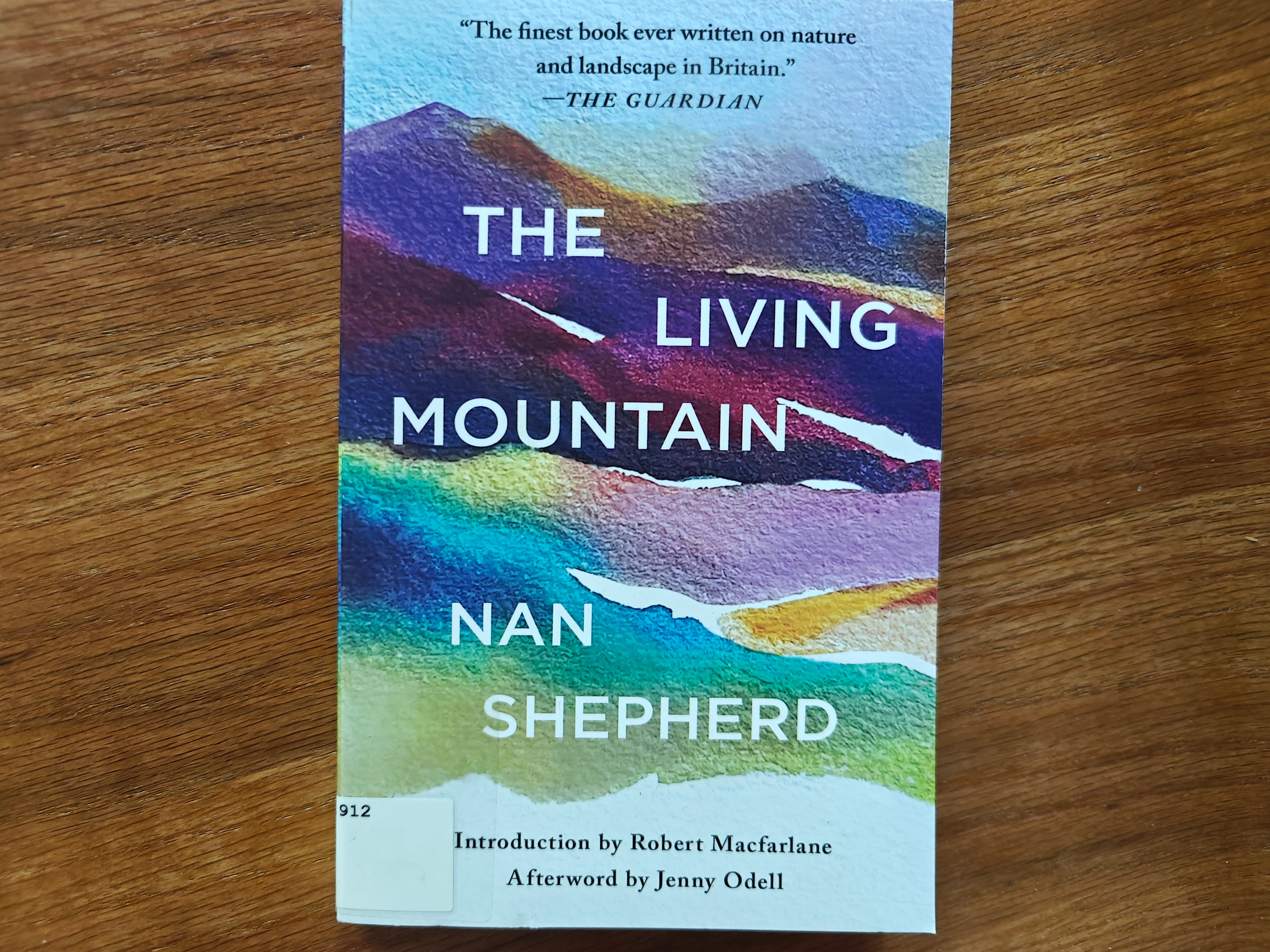
a new edition of the book, from the Toronto Public Library
Through intense noticing and deep reflection she manages to write from a place of intimate connection to the physical world. She is part of what she describes, rather than a separate observer. She doesn’t preach to us about the way we should relate to nature or to the physical world. She takes us inside her experience with her words.
KITCHEN EXPLORATIONS – tamarind talk, and duck
Last week I bought a cellophane-wrapped block of tamarind from Thailand that looked like tamarind pulp but was labelled “tamarind paste.” It was raw tamarind pulp, aromatic and fresh-tasting, that had been deseeded. This is a great new-to-me version of tamarind. The choice used to be between tamarind paste, easy to use but chemical tasting (I always advise people to avoid it), and tamarind pulp with seeds, which needs a little effort to process into tamarind liquid.
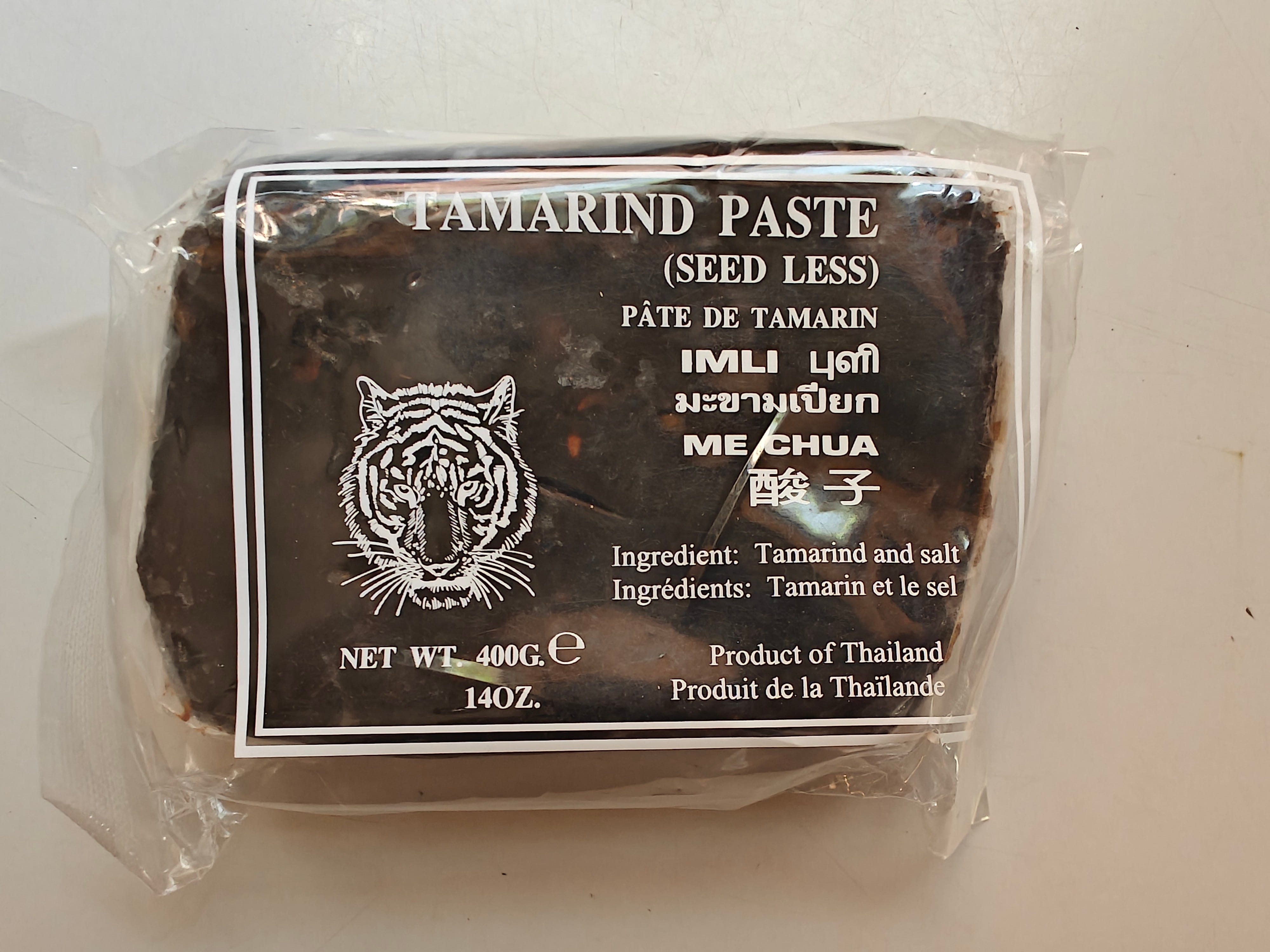
The next night I was in a bit of a rush to make supper for three before heading out to a concert. I put on a pot of brown basmati to cook, then started on the rest: a greens-heavy stir-fry using one boneless duck breast that I’d found in the freezer earlier in the day, plus of course a load of asparagus (we eat it almost every day in this wonderful season that will soon be over, alas).
I sliced the duck fairly thinly and set the slices aside in a bowl, tossed with a little shio koji (or I could have used salt or shoyu koji).
I cut a chunk of tamarind off, roughly a heaped tablespoon, chopped it a little, and set it in a small bowl to soak in a couple of tablespoons of warm water. A few minutes later I mashed it with a fork to break it up and help it dissolve in the liquid, then pressed the mixture through a small sieve into another bowl. It yielded a generous tablespoon of smooth tamarind liquid, ready to flavour my stir-fry.
I chopped about a thumb’s length of galangal and half that amount of ginger and put them in my stone mortar with 3 smashed garlic cloves and a pinch of coarse pickling salt, then pounded the mixture to a rough paste (not up to Thai standards of smoothness). That went into a small bowl by the stove. Into another went the water I used to rinse out the mortar.
I coarsely chopped handfuls of well-washed spinach, pea shoots, and arugula and set them aside.
With my large wok over high heat, I added oil, then tossed in mustard seed, and as it popped, fennel seed. Then in went the curry paste, plus a couple of dried red chiles broken into pieces. Once the paste had blended into the oil, I added the duck slices and stir-fried them energetically for about a minute. When they were mostly touched with colour I added the greens in handfuls, and continued to stir-fry. As they wilted, in went the water from the mortar, and a little extra water, as well as the tamarind liquid and several dollops of fish sauce. A few more turns and tosses and it was done, succulent, slightly saucy, ready to be turned out into a wide bowl.
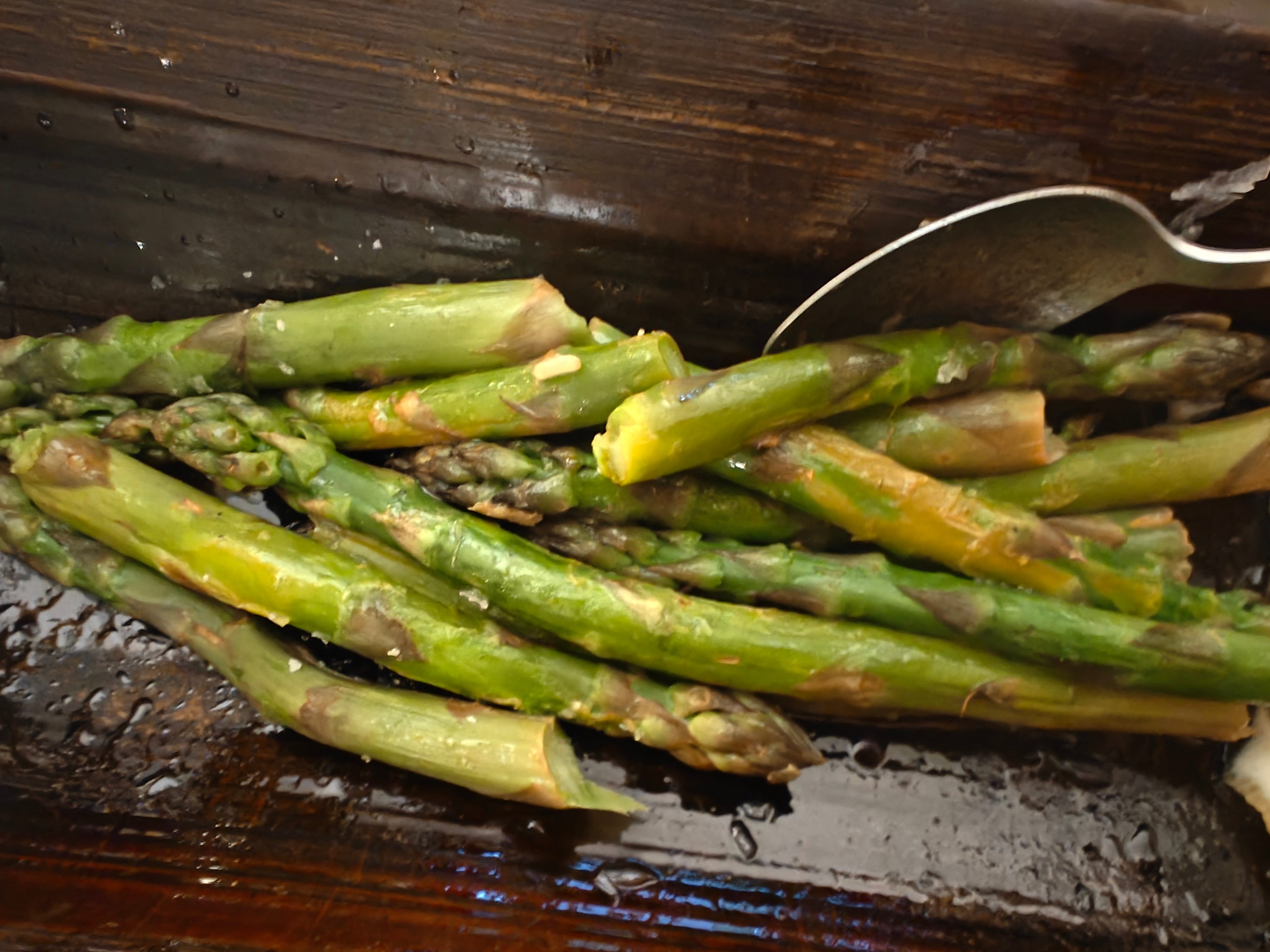
The asparagus cooked quickly in a wide shallow pan of boiling salted water. I always lift it out with tongs into another dry bowl so it’s not carrying water that would dilute the dressing. From there it goes into a wooden serving dish with lemon juice and olive oil, then gets sprinkled with salt.
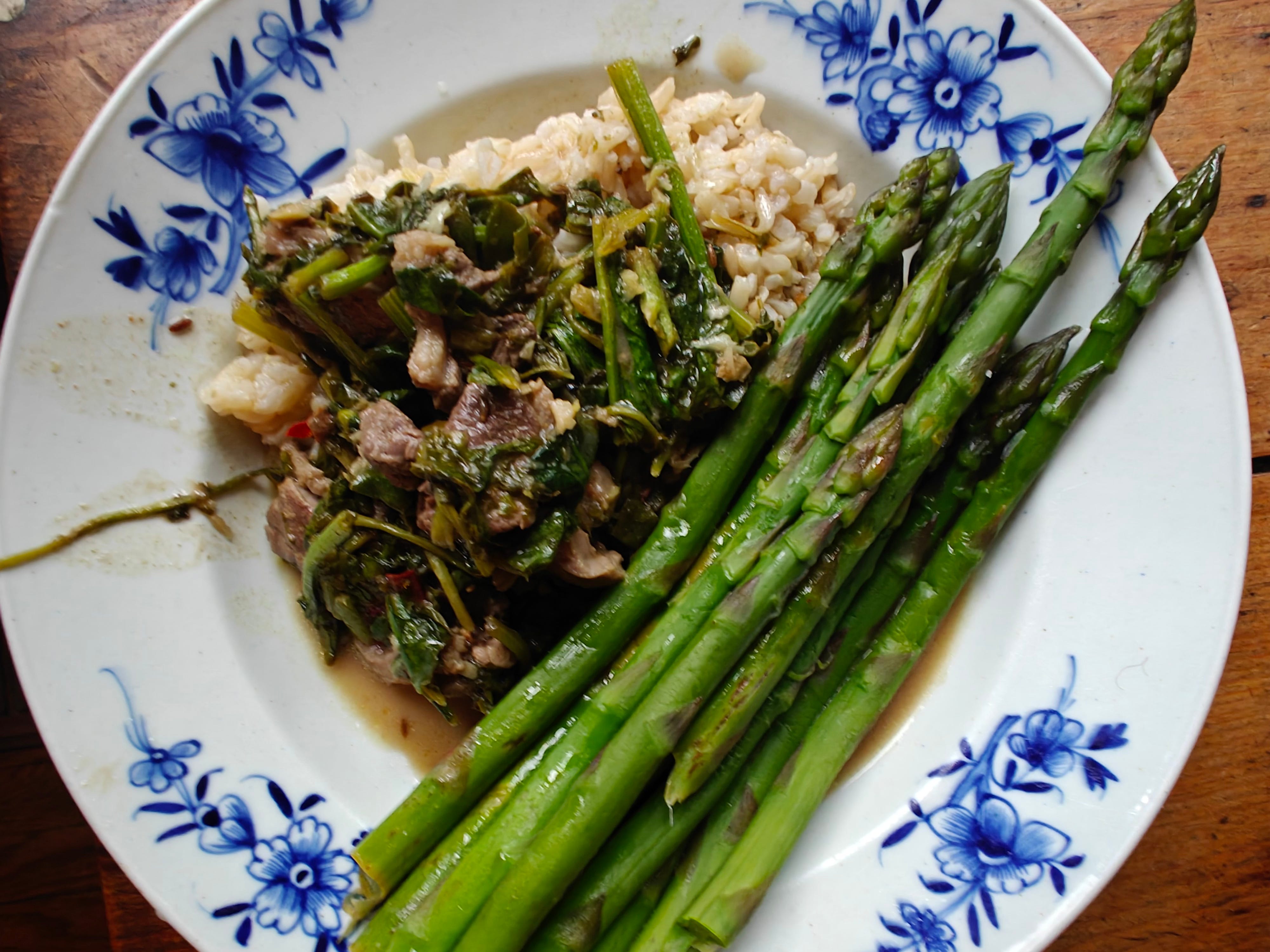
The tamarind was a terrific combo with the duck. It gave a hit of acidity, but not overpowering, that was nicely balanced by the sweetness of the duck and the pea tendrils.
note: Once you open a package of tamarind, seal it tightly in a plastic bag to prevent it drying out, and store it in the refrigerator. You can use tamarind liquid as a base for a cooling drink, as well as to flavour both savoury and sweet dishes. (There’s a recipe for tamarind ice cream in my Miracle of Salt book and one for a refreshing tamarind drink, tamarind sharbat, in Taste of Persia.)
You are not a poet, yet you are <3 Some parts of this text is so relatable. beautiful and inspiring read.
Beautifully penned.