
I love it when I come upon a not-known-to-me, undreamt-of subject that I can explore in books and in the mind’s eye. My most recent discovery comes from a book called The Light-Eaters, by Zoe Schlager. It’s about plants and it’s a wonderfully absorbing read. The title reflects what most of us forget about and/or take for granted: plants use light energy from the sun to convert water and air (carbon dioxide) into sugar. It’s a thrilling reality.
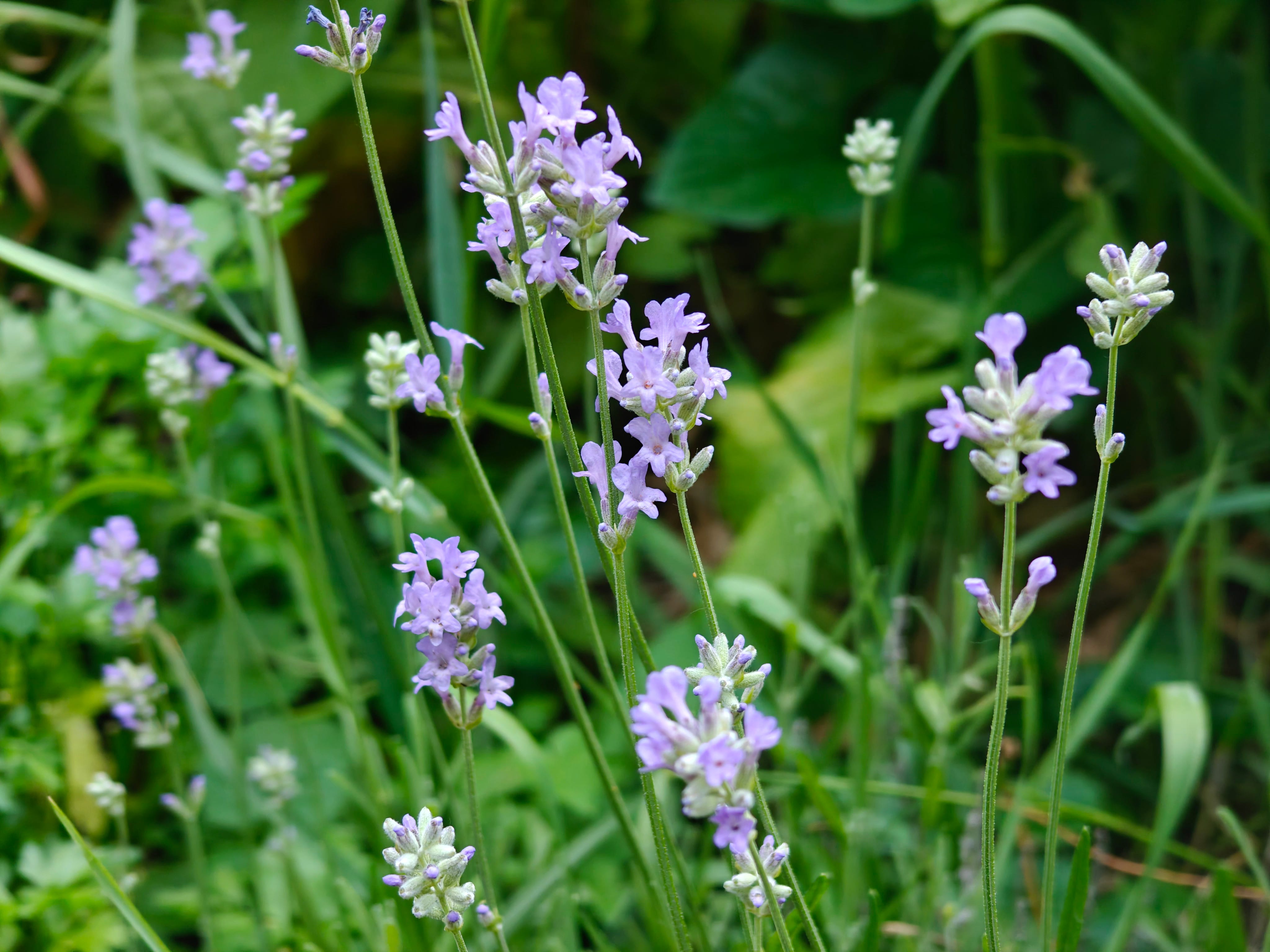
lavender blooming and perfuming the garden
We’re used to thinking of solar energy as source of electricity to heat our houses or power our air conditioners. But we can’t eat solar energy. Plants do - it feeds their growth - and they pass the benefit on to us.
That means plants are intermediaries for all animal life. We depend on plants for survival.
This astonishing elementary fact of life should be taught at school as a marvel. But it was not described that way in my science classes. It was all dry. We were taught the equation for photosynthesis: water plus carbon dioxide plus solar energy produces sugar plus oxygen. The focus was on the equation and getting it right: six of this and that, gets transformed by photosynthesis into a string of letters and numbers that symbolise glucose plus oxygen.
I remember when I was in school noticing that plants breathe in carbon dioxide and breathe out oxygen, the reverse of humans and animals. It seemed like a surprising and beautiful complementary symmetry. But apart from that takeaway, I remember no sense of the miraculousness of plants using light energy to create food.
From this miracle all things flow: creatures of all shapes and sizes consume plants of all kinds.
In my post last week I wrote a few thoughts about our dependence on grains and the clear need to move away from monoculture and toward diversified crops and agriculture. But since then my reading of The Light Eaters has led me to understand an even bigger picture: that all life depends on photosynthesis. And that means we must protect, nourish, and appreciate the plant world
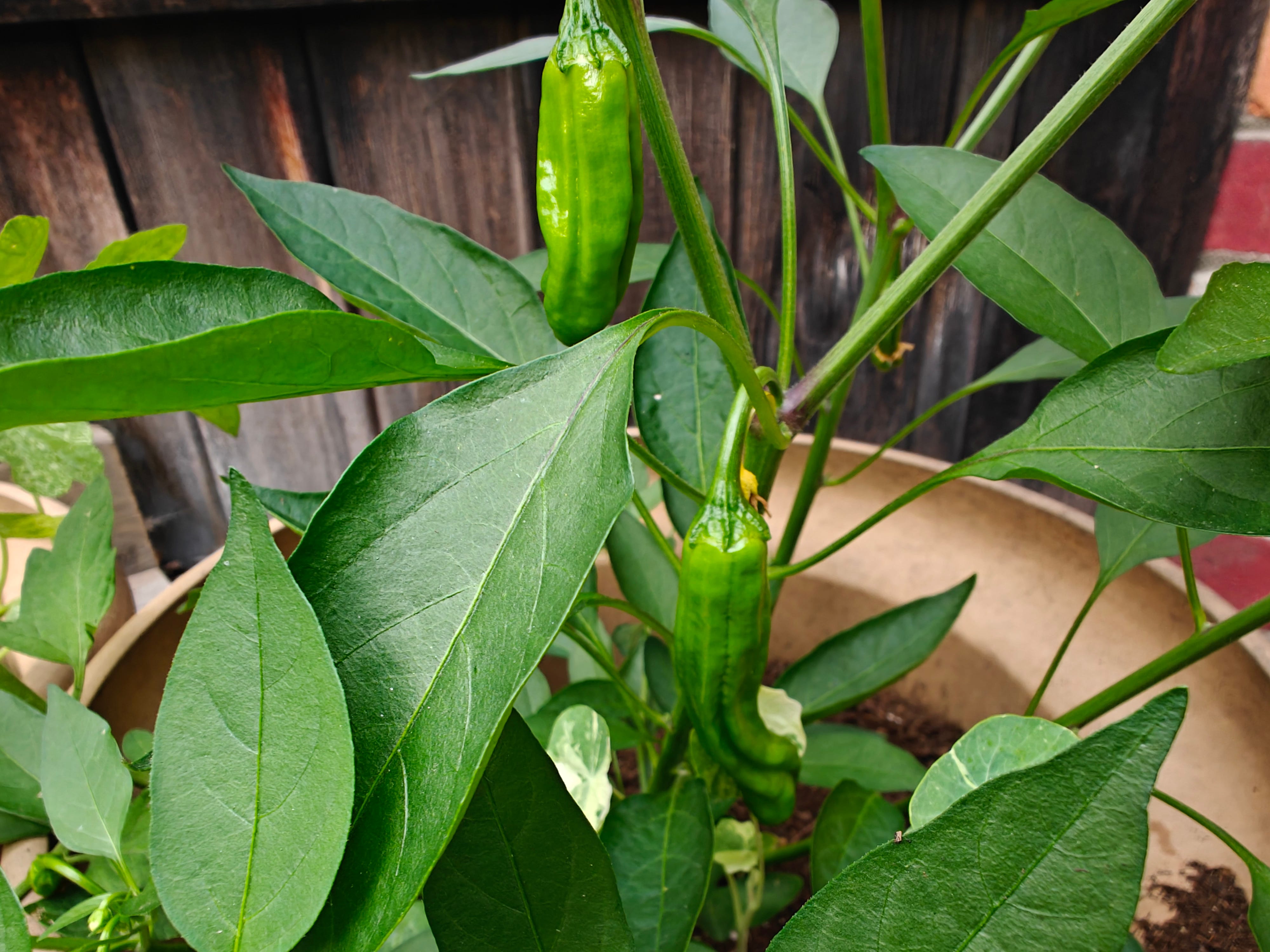
shishito plant with first fuit this week
I am dumbstruck that we aren’t continuously reminded of our deep debt to plants. Surely there should be altars to plants and plant life and an attitude of deep respect too. In many traditional agricultural societies there are such forms of respect and worship. But in the rush of modernity and industrialisation, we seem to have lost touch with these essentials.
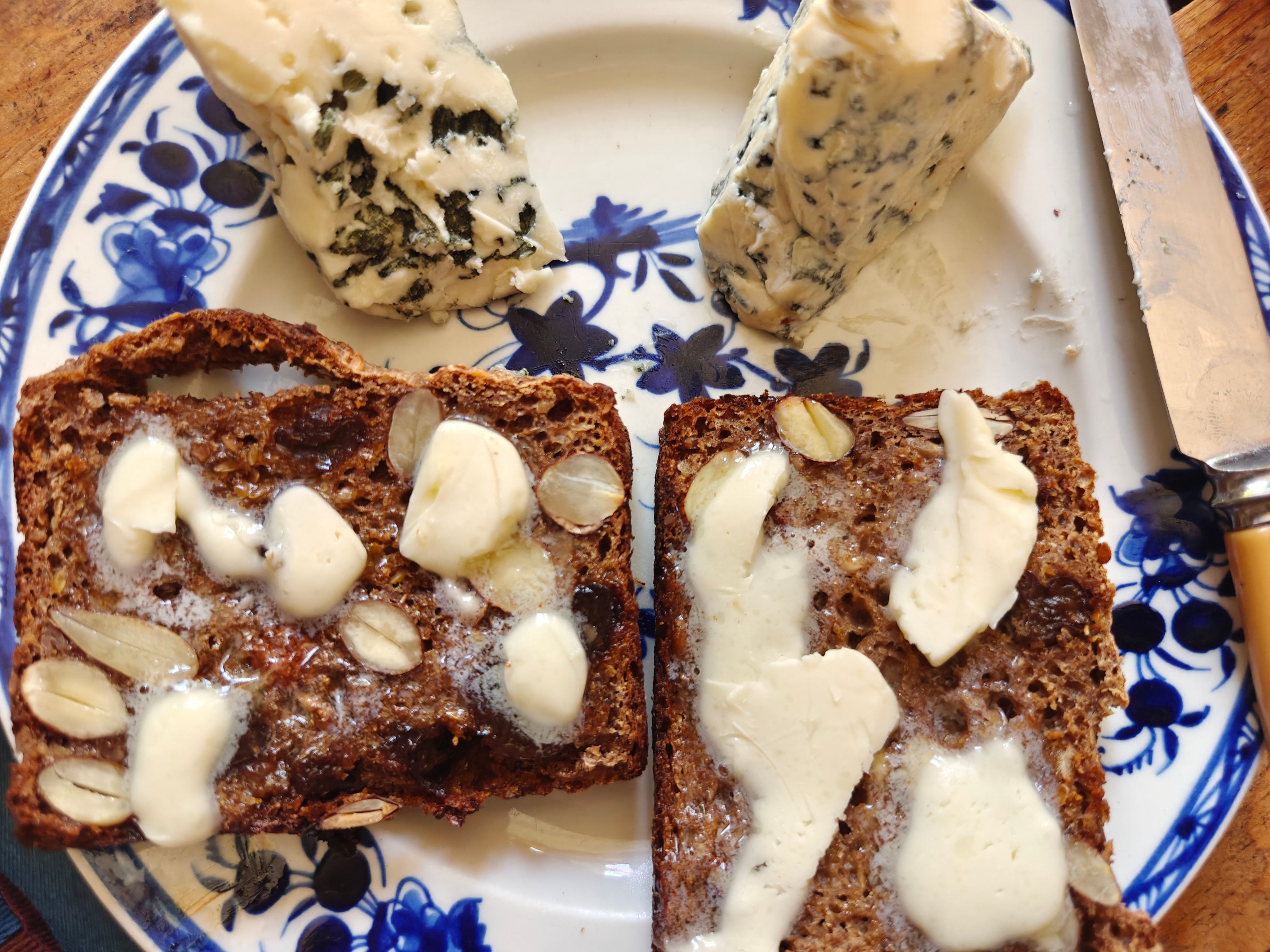
an over-the-top luxurious meal of Dawn’s bread toasted, with loads of her home-made butter, plus two blue cheeses: organic Roquefort on the left and St Agur on the right. A lot to be thankful for.
Perhaps just a moment of mindfulness will keep me connected to this big picture. It’s a steadying idea that as I chop and slice greens for supper, or bite into the rye bread made by my brilliant baker friend Dawn Woodward, or wash rice before putting it on to cook, I can give a grateful thought for the extraordinary gift of plants and photosynthesis.
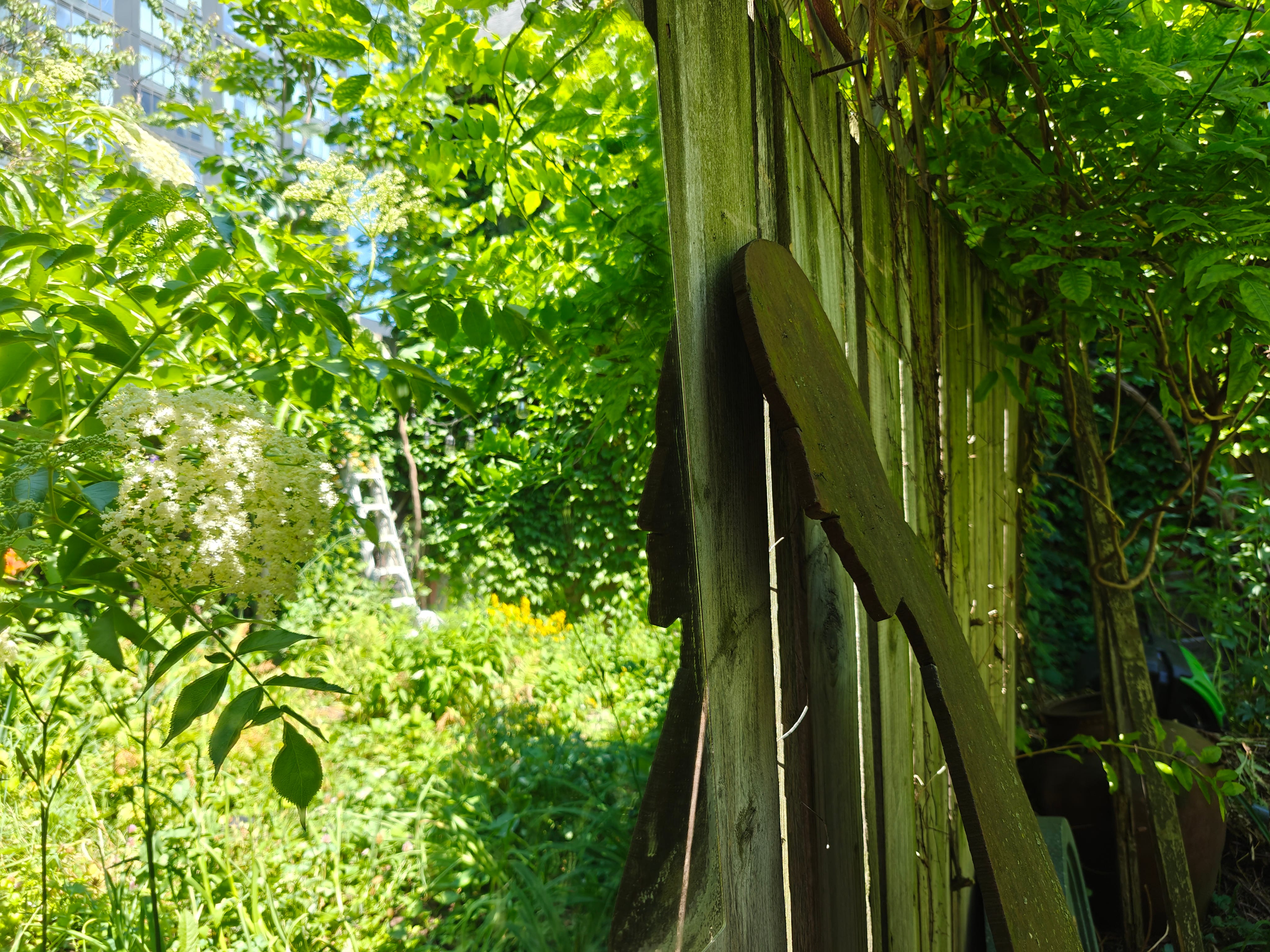
reflections in a mirror of the garden aglow; and part of Miho Sawada’s steel figure leaning on the fence
KITCHEN EXPLORATIONS
On the food prep front, I’ve been a bit under-motivated in this summer weather. Green salads, yes. The last of the asparagus yes. But then what?
Last Saturday I made a big pile of beef burgers because friends were coming for supper. The mixture I do is roughly like the shapli kebab recipe in my Mangoes and Curry Leaves book, with yogurt (about 1/4 cup per pound of meat), ground cumin and coriander, salt (1 teaspoon per pound), turmeric, a dash of pomegranate molasses, a garlic and ginger paste… You get the idea. (Notice the double tart-acid hit from yogurt and pomegranate molasses.) I shaped them into smallish patties and they went into a mesh rack and then onto the charcoal grill. So easy.
I’ve come to like having burgers left over because they are so easy to reheat as part of a meal, or to smash onto a piece of toast for a sandwich.
A few nights ago I made a pot of rice for supper by mixing the end of a bag of brown basmati with about an equal amount of black “forbidden rice”. The two rices had a wonderful aroma as they cooked together, toasty and grainy and a little sweet. I added salt to the water as the rice started cooking. About ten minutes before the rice was done I reheated the six or seven leftover burgers by putting them on a plate that rested on top of the rice pot; I put a lid on top to keep in the heat. It’s a simple reheating method. (I dislike using a microwave.)
Once the cooked rice had rested a few minutes I added some chopped leftover asparagus and some dabs of salted butter, and turned it all into the rice. (I find that both butter and salt bring out the flavour of brown rice; I don’t use either if I am ever cooking white rice.)
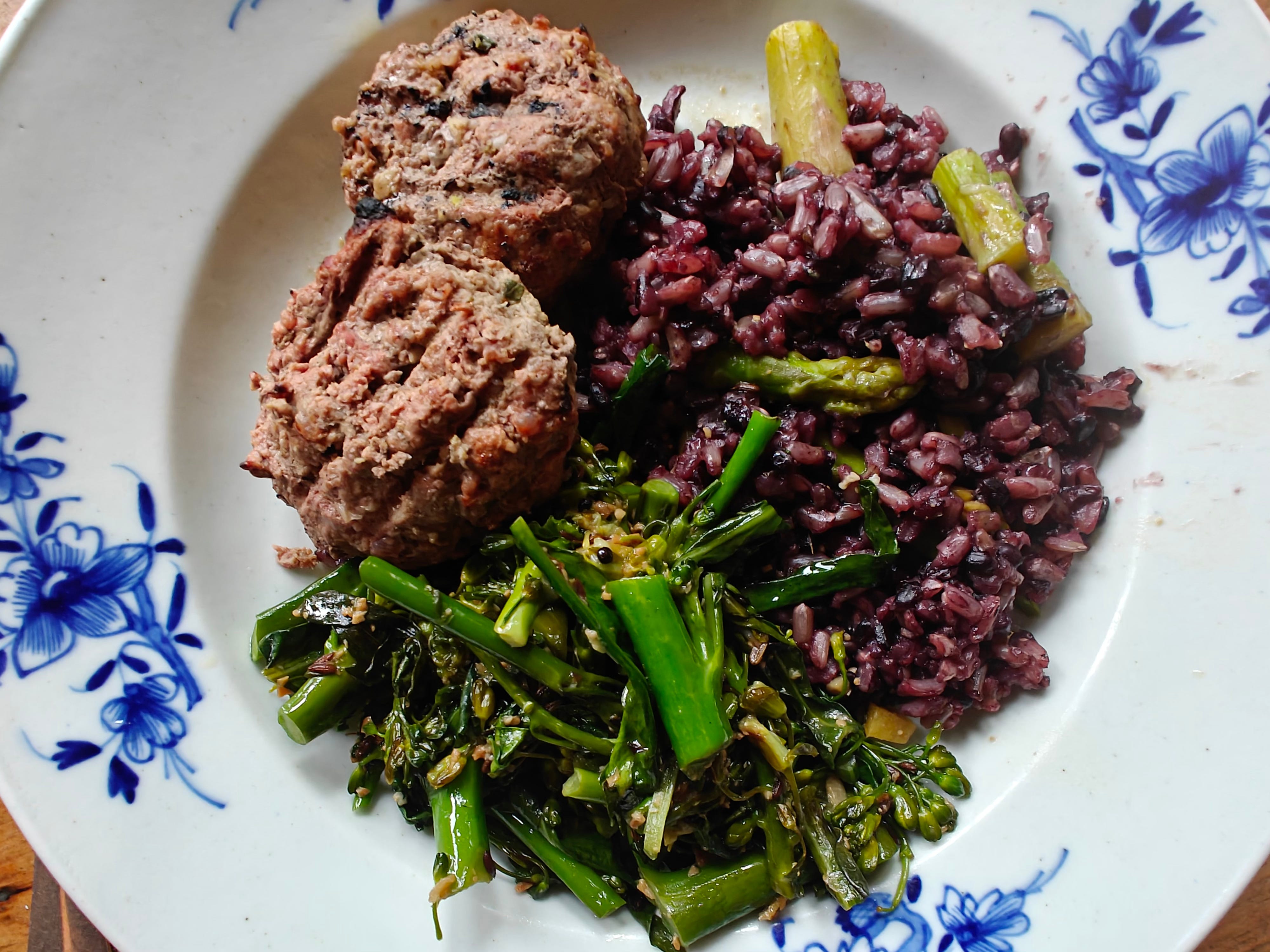
the reheated burgers, blended cooked rice with chopped asparagus, and stir-fried broccolini
There were freshly cooked greens too: chopped broccolini from the farmers market. I stir-fried them in oil flavoured with mustard seed and cumin seed, and with minced ginger and garlic, with a small splash of fish sauce early on. After a few minutes I added nearly a cup of hot water and covered them for a few minutes, so they’d come to a boil and steam a little. Finally, I dissolved some home-made red miso in a little warm water and stirred that in as the liquid cooked down slightly. The miso gives umami depth as well as seasoning. It’s a great shortcut to flavour that I’ve fallen into using recently.
On the tart-acid front, and following last week’s mention of the berries ripening now, I picked the small collection of red currants on my little bush in the garden. They were beautiful, and delicious, eaten with crème fraiche made by my friend Dawn. Pure delight.


As someone who teaches about both food and the environment, I try to impart this to my students - the fact that all animal life on earth (including humans) is entirely dependent on plants. Not only do they eat sunlight and create food for us to eat (or for the animals that we eat to eat), they are also responsible for more than 70% of the earth's oxygen. The majority of that oxygen is produced by ocean plankton, which is why many scientists are worried about how quickly ocean conditions are changing.
I've been making my own 100% rye sourdough for more than a year and I have access to amazingly good Roquefort at my tri-weekly local market here in Lyon, but I never thought to put the two together. I will by trying that this week for sure!
The reality of all of this you write about—plants, the sun, our earth— astounds me and inspires me. All beautiful combinations on the plate, too, Nom ❤️